
9 July 2026
Custom Residential Construction: 5 Ways to Spend Smarter
Understand custom residential construction—process, six project types, key cost drivers, and five smart spending moves. Plan a tailored home with confidence.
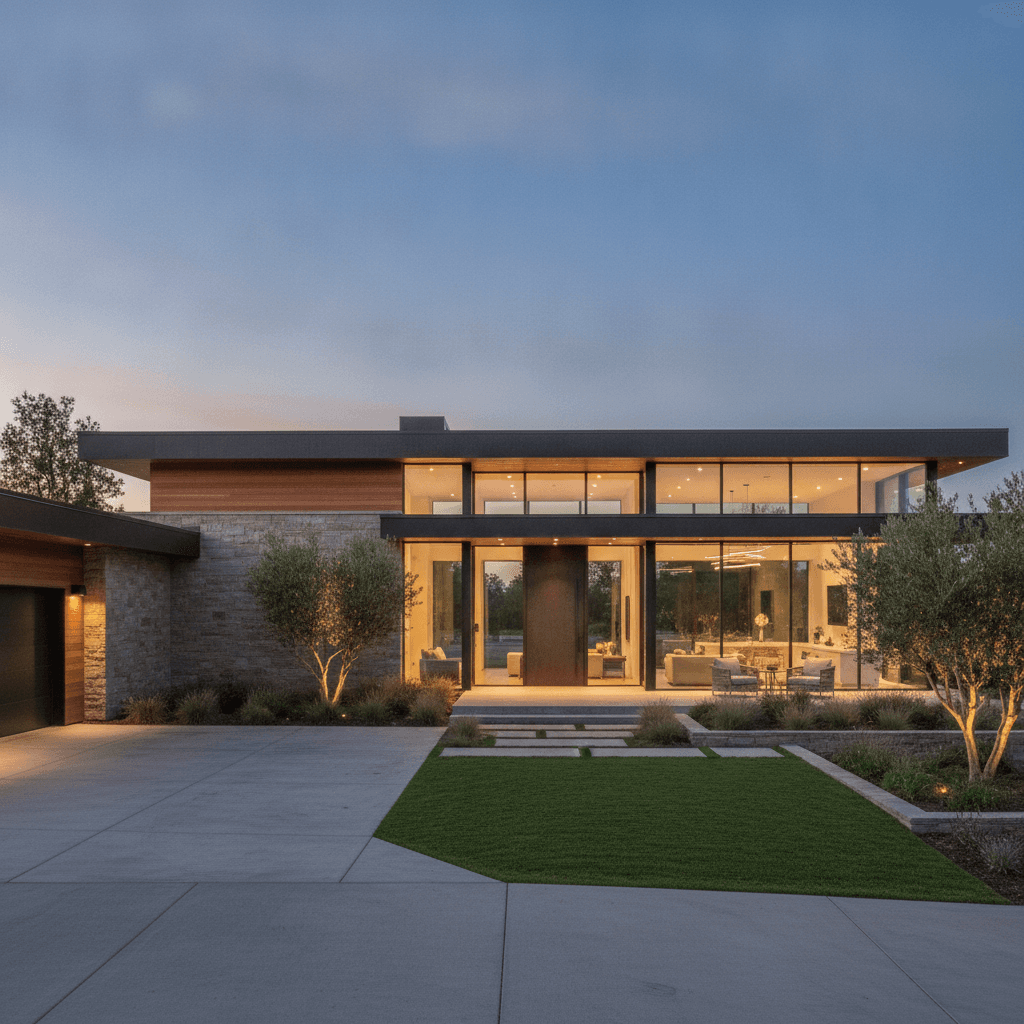
Custom residential construction is the end‑to‑end design‑build delivery of a one‑of‑a‑kind home tailored to your site and lifestyle. It covers design, engineering, approvals, procurement, construction, and a documented, turnkey handover. Choose it when standard plans can’t solve slope, access, zoning, or you want a crafted finish with one accountable builder.
By Vishal Desai · Last updated: 2026-07-09
Overview
This guide translates custom residential construction into clear steps and trade‑level tips. It reflects King Style Homes’ single‑builder pathway that coordinates design, approvals, procurement, construction updates, and a documented, turnkey handover across new builds, duplex KDRs, renovations, granny flats, and curated house‑and‑land.
Most owners tell us the same story: a volume builder added heavy “site costs” late and key allowances shifted at contract. That anxiety is real. We solve it by locking inclusions early, designing to the site, and keeping consultants and logistics on one schedule from day one.
If you’re exploring how we build house projects without templates, start with our custom home builds overview for the big picture.
What Is Custom Residential Construction (and When Do You Actually Need It)
Custom residential construction is a design‑and‑construct delivery that tailors your home to your site, brief, and selections. If your block has more than three feet of fall across the footprint, tight side access, or a specific design vision, a custom builder isn’t optional—it’s how you avoid structural compromises and late changes.
We manage concept and design, engineering inputs, approvals, supplier coordination, and field execution under one accountable team. That single chain of custody protects schedule and quality. For a neutral industry explainer on what “custom” typically includes, skim this custom home construction overview.
Want regional context on planning and selections cadence? Our custom builds area guide outlines decisions most owners face before soil is turned.
Six Project Types King Style Homes Handles — and Which Fits Your Situation
We deliver six core project types: custom new builds, knockdown‑and‑rebuild duplexes, renovations and extensions, secondary dwellings, curated house‑and‑land, and project management with overseas procurement. Your choice depends on goals—yield, space, flexibility, or a fresh start.
- Custom Home Builds: One‑off plans with considered facades, daylight‑led layouts, storage‑smart kitchens, and a crafted finish. Start here for a singular outcome. See our custom home builds service.
- Knockdown & Rebuild Duplex Projects: Two dwellings on one lot for family flexibility or rental yield, with shared services and approvals coordinated. Get the playbook in our knockdown‑and‑rebuild guide.
- Renovations & Extensions: Rework circulation, expand living, or add a level while staying in the neighborhood you love.
- Secondary Dwellings (Granny Flats): Add flexible space for family or create an ancillary rental opportunity without touching the main house.
- House and Land Packages: Vetted sites with curated designs for a cleaner start—still refined through selections and facade language. For local considerations buyers ask about, see our area guide.
- Project Management & Overseas Procurement: We coordinate specialty fixtures and finishes—Italian tapware, European oak, architectural lighting—so lead times match rough‑in and fit‑off windows. The gain: unique selections without schedule drift.
Concrete example: A narrow lot with easements is best served by a duplex to maximize usable area. A growing household that values kitchen flow and storage usually gets more from a targeted extension than a full rebuild.
How the Custom Build Process Works: From First Call to Handover
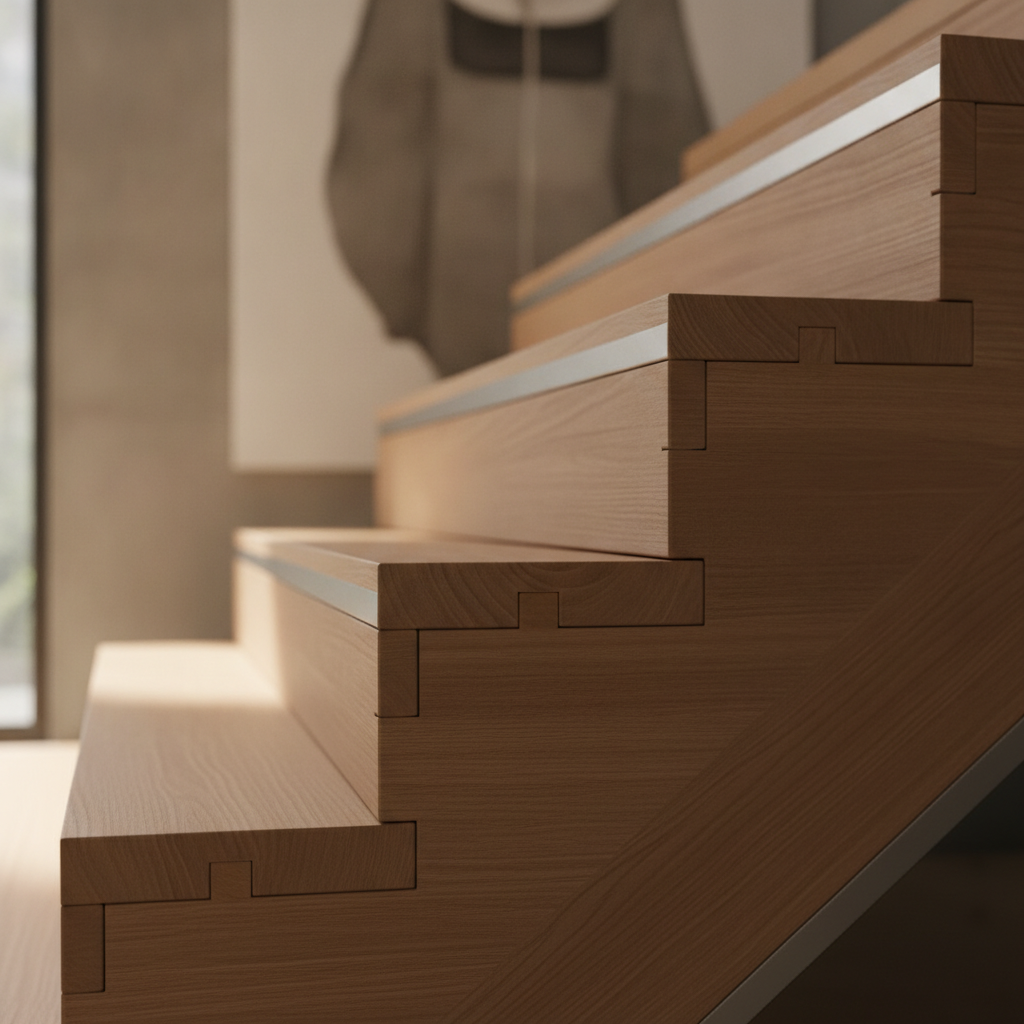
Our eight‑stage flow—consultation, site review, concept/design, estimate & proposal, approvals, selections, construction, and turnkey handover—keeps scope, logistics, and quality aligned. The two schedule traps we neutralize early: unclear allowances and slow consultant responses.
| Stage | What Matters | Insider Watch‑outs |
|---|---|---|
| 1) Consultation | Clarify goals and constraints. | Decide must‑haves now; late adds cascade into redesigns. |
| 2) Site Review | Access, fall, services, soil, orientation. | More than three feet of fall changes structure and staging—plan it now. |
| 3) Concept & Design | Layouts, spans, envelope, storage. | Design to sunlight and service runs to cut rework later. |
| 4) Estimate & Proposal | Lock inclusions and allowances. | Vague allowances trigger change orders; document specifics early. |
| 5) Approvals | Submit a compliant package. | Expedited pathways on compliant envelopes can trim roughly 8–12 weeks versus full planning review. |
| 6) Selections | Performance‑first choices. | Order long‑lead items (10–14 weeks) to land before rough‑in and fit‑off. |
| 7) Construction | Build to spec; regular updates. | Batch decisions weekly; unresolved items stall multiple trades at once. |
| 8) Handover | QA, documentation, orientation. | Walkthrough with warranties, manuals, and a maintenance plan—move‑in ready. |
Curious how pre‑construction keeps momentum? Our pre‑construction coordinator guide shows who answers consultant queries and why response time protects the schedule.

Custom Builder vs Volume Builder — Honest Differences for Your Block
Custom builders tailor a one‑off design to your site and lifestyle and can integrate specialty procurement. Volume builders optimize preset plans for speed and repeatability. If your block is sloped, narrow, or access‑constrained, a custom pathway prevents compromises that linger for years.
| Factor | Custom Builder (King Style Homes) | Volume Builder (Catalog Brands) |
|---|---|---|
| Design Fit | Engineered to your site | Preset plans, minor tweaks |
| Approvals | Hands‑on coordination | Streamlined for common lots |
| Selections | Wide flexibility; guided | Tiered packages; change fees |
| Procurement | Specialty/overseas options | Catalog‑friendly supply |
| Updates | Predictable cadence | Varies by program |
| Outcome | Crafted, move‑in‑ready finish | Efficient, repeatable result |
For alternative framing perspectives you can bring to a consult, this third‑party residential construction services page shows how others scope roles and checkpoints.
What Drives Cost in Custom Residential Construction
The biggest drivers are site conditions, structural complexity, required approvals, selections scope, and procurement logistics. Locking inclusions early and sequencing long‑lead items prevents scope creep and keeps schedules stable—so spend lands where you’ll feel it daily.
- Site conditions: Fall, soil, access, and exposure influence footing systems and staging.
- Structure and scale: Long spans, cantilevers, and tall ceilings drive materials and labor.
- Approvals: More reports and back‑and‑forth equals more time; clean packages move faster.
- Selections: Windows, doors, flooring, fixtures, and custom joinery vary widely by performance and lead time.
- Procurement: Specialty sourcing needs early orders (10–14 weeks is common) to match framing and fit‑off.
For a neutral, non‑promotional explainer you can use as a checklist in your planning notes, here’s a concise custom homes explainer you can compare with our approach.
Questions to Ask Any Custom Home Builder Before You Sign
Focus on process control and proof. Ask how inclusions are documented, who answers consultant queries, how variations are handled, what update cadence you’ll get, and what’s handed over at completion. Clear answers here predict a smoother build.
- Show me a past estimate and proposal—how do you lock allowances and inclusions?
- Who coordinates consultants during approvals, and what’s your target response window?
- How are variations assessed, quoted, approved, and scheduled?
- What construction updates and walkthroughs do I receive by default?
- How do you handle specialty procurement and align deliveries to site windows?
- What exactly is included in turnkey handover and QA documentation?
If you want another independent format to compare in your prep notes, this custom home construction overview lists steps and deliverables you can discuss during our consult.
Custom Residential Construction: 5 Ways to Spend Smarter
Lock scope early, design to the site, prioritize performance, sequence long‑lead items, and keep a modest risk buffer. These five moves cut rework, protect schedules, and channel budget into comfort, durability, and daily usability.
- Lock scope early: Approve layouts, structure, and key inclusions before approvals to avoid redesigns.
- Design to your site: Use orientation, shading, and service runs to reduce complexity and improve comfort.
- Prioritize performance: Direct spend first to envelope, windows, HVAC, and ventilation; finishes follow.
- Sequence selections: Order long‑lead items to arrive during framing and rough‑in windows.
- Hold a risk buffer: Keep contingency for unknowns; release it after structural inspections clear.
Ready for next steps? If your goal is a tailored plan that respects site realities, our custom home builds overview lays out how we coordinate decisions and updates—without guesswork.
FAQ
These direct answers cover handover, design engagement, and update cadence—three areas that most influence confidence and momentum in a custom build.
What does turnkey handover actually include?
A move‑in‑ready finish with final QA, orientation, recorded punch‑list resolution, warranties and manuals, and confirmation that utilities and systems are live. You receive the documents needed for smooth ownership.
Should I engage an architect first?
Not required. A design‑and‑construct builder coordinates concept, engineering, and approvals. If you already have plans, we test buildability, selections, and logistics to align drawings with construction realities.
How often will I get construction updates?
Expect predictable milestones and on‑site walkthroughs at structure, services rough‑in, finishes, and pre‑handover. Each checkpoint includes decisions and next steps so momentum holds.
Key Takeaways
Pick a single accountable builder, design to your site, and lock inclusions early. These habits protect schedules, reduce rework, and deliver daily comfort that lasts.
- Custom residential construction solves site and lifestyle challenges templates can’t.
- One coordinated pathway—from design to handover—keeps decisions clear and quality consistent.
- Approvals and long‑lead procurement are the schedule levers; manage them early.
- Prioritize performance; finishes follow.