

4 August 2026
What is a house and land package guide and why does it matter?
Clear, practical answers to what a house and land package is, how contracts and costs work, common exclusions, risks to avoid, and an 8-point checklist.
What is a house and land package guide and why does it matter?
For many buyers a house and land package is presented as a simple path to a brand new home, but the phrase hides practical details that change cost, timing and risk. This house and land package guide explains what the term means, how contracts and finance usually work, the typical inclusions and common exclusions to check, the main contract traps to avoid, and an 8-point checklist you can use before you sign.
What a house and land package is
A house and land package bundles a block of land and the construction of a new home into a coordinated purchase. Although the sale is often handled as a single transaction for the buyer, the legal reality is commonly two contracts: one for the land and one for the build. Independent explainers describe this two-contract structure and why it matters for settlement timing, finance and buyer protections, for example on Unloan and Eden Brae Homes.
How contracts and finance typically work in a package
Because there are usually two contracts, buyers must confirm when each contract requires finance and settlement. In common practice the land contract settles first and the building contract starts once land is registered or the builder receives a site handover. That sequencing affects when you need to arrange finance, how a construction loan is drawn down, and when interest or deposits become payable.
Construction loans typically operate as staged draw-downs tied to progress claims rather than a single full advance. That means a lender will release funds as the builder completes specified stages. Independent buyer guides highlight that finance triggers, deposit timing and the draw-down schedule are important variables to confirm before signing, for example in the NestPath guide.
Typical inclusions and common exclusions to check
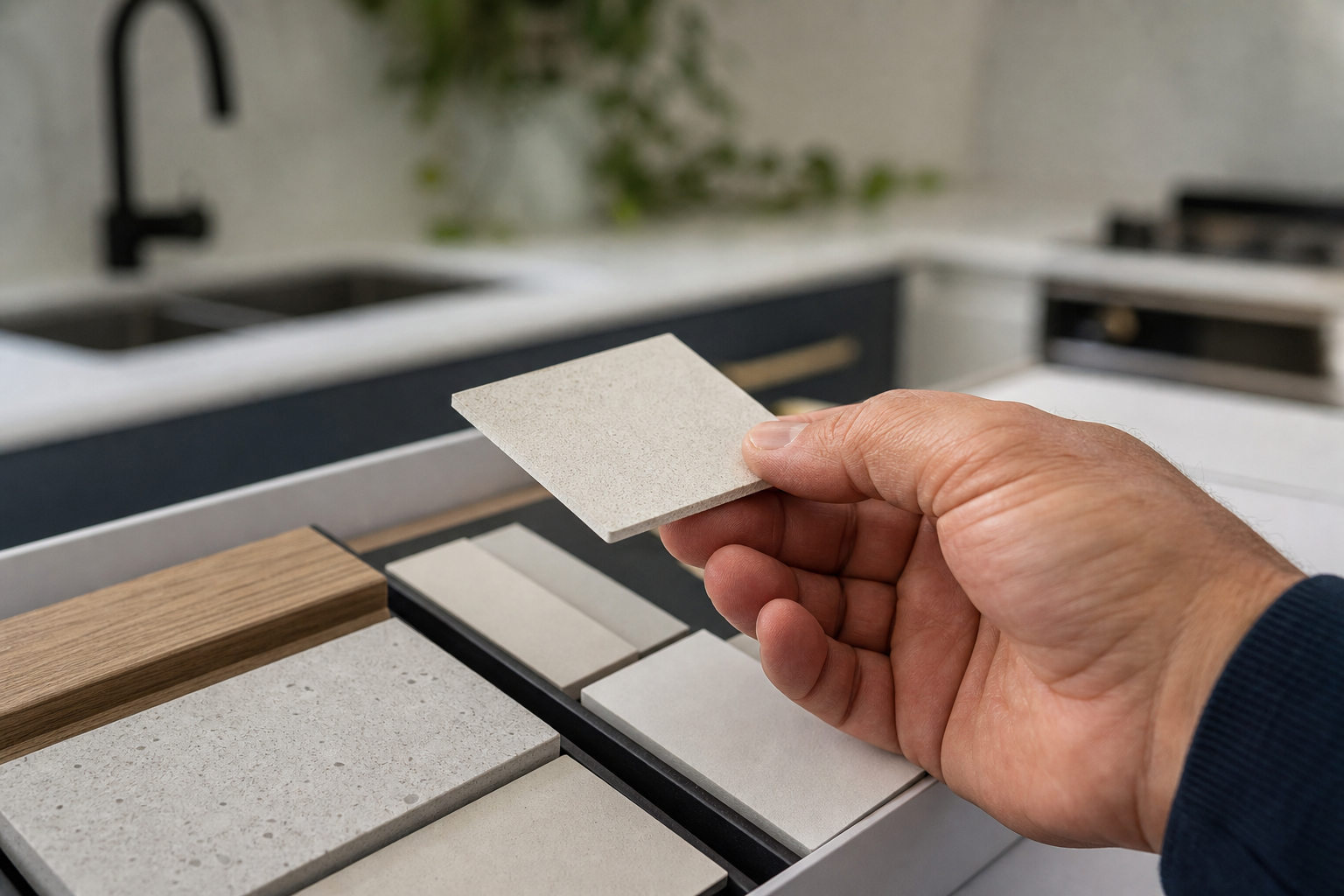
What the package price actually covers varies by developer and builder, so compare the contract inclusions line by line. Typical inclusions often comprise the house design, standard site works, internal fixtures and fittings from a standard selections list, and a base allowance for landscaping or a driveway. Practical buyer resources suggest checking whether the package price includes service connections, retaining walls, additional cut and fill, and council fees, because these are frequent exclusions that add cost.
Sales material may list standard inclusions alongside optional upgrades or signature finishes. Read the fine print about provisional sums and allowances for site works. Broader market guides recommend confirming whether allowances are estimates that will be adjusted after a detailed site survey, and whether variations are charged as extras in the construction contract. See the overview in The Times and the practical breakdown at Eden Brae Homes.
Main risks and contract traps and how to avoid them
House and land packages can simplify delivery, but they concentrate vendor control over location, design and timing. Common buyer problems include unclear inclusions, mismatched timing between land settlement and builder start, contractor insolvency during construction, and warranty or defect gaps. Independent advice stresses that layered costs and contract traps are frequent causes of buyer frustration, and that careful contract review is the first defence; the NestPath guide covers common traps in plain language.
- Builder insolvency, which can halt construction and trigger complex rights between the land seller, builder and buyer. Confirm what happens to warranties and contract obligations if the builder cannot complete the work.
- Unclear scope, where marketing inclusions do not match contract inclusions. Insist the contract lists exact inclusions rather than a brochure summary.
- Timing mismatches, where land settlement and construction start dates are not aligned, leading to unexpected holding costs. Confirm settlement dates and what triggers the builder to commence works.
- Provisional sums and contingency gaps, where site complexity is underestimated. Ask for an independent site assessment before relying on provisional allowances.
House and land package versus buy land then hire a custom builder
There are two common routes to a new home. The first is the package route, which bundles land and a predetermined house design. The second is to buy land then engage a custom builder to design and build the home. Both options suit different buyer goals.
When a package suits you
- Speed and simplicity are priorities, because packages are designed to streamline sales and delivery.
- You prefer a fixed selection from a standard inclusions list and want predictable marketed pricing.
- You are comfortable with a developer estate location rather than a fully bespoke site-specific design.
When buying land then hiring a custom builder suits you
- You need a design tailored to an unusual or constrained site, or you want a custom layout and facade design.
- You value a builder who can do site-aware planning, approvals coordination and a crafted finish to match specific family needs.
- You want greater control of selections, staging and the ability to manage specialist procurement or overseas sourcing as part of the project.
Investor-focused commentary makes an additional point. The long term outcome of a package depends heavily on location and site selection. Poor returns are most often caused by a weak location rather than the fact the property was a new build, so consider location fundamentals before you commit. See investor guidance from Strategic Portfolio Partners.
What Western and Northwest Sydney buyers should check

Local planning conditions, site slope, soil type and council requirements can change a package outcome in Western and Northwest Sydney. A local builder with site-aware planning and approvals coordination can reduce surprises by checking council overlays, easements and service timing early in the process.
King Style Homes positions its service offering around local knowledge of Western and Northwest Sydney, with approvals coordination and site-aware planning designed to manage council pathways and subcontractor logistics. For buyers who want a package that is aware of local requirements, review how the package handles approvals, who pays for site-specific works, and whether the builder offers a full turnkey handover. See King Style Homes' house and land packages and the homepage for more on local services.
An 8-point checklist to use before you sign
- Confirm the contracts, and verify whether there are separate land and building contracts. If so, ask when each requires finance and what triggers construction commencement. See Unloan for context.
- Request a full inclusions schedule, not a brochure summary. Insist on itemised line entries for finishes and allowances.
- Check provisional sums and site allowances, and obtain an independent site report to test those allowances before you commit.
- Clarify finance draw-downs, including the construction loan stages and any lender requirements for inspections or certifications.
- Confirm settlement and start dates, and budget for interim holding costs if land settlement precedes building commencement.
- Ask about insolvency protections, including warranties, transfer of obligations, and how the developer will manage the project if the nominated builder cannot finish the job.
- Review dispute and defect resolution, including the defect liability period and the route for warranty claims.
- Compare upgrades and variations pricing, to avoid surprises from optional upgrades that carry premium charges after contract signing.
Next steps and how a local custom builder can help
If you are exploring a house and land package in Western or Northwest Sydney, start by gathering the package contract documentation, the inclusions list, and a site plan. Have those documents reviewed by a solicitor experienced in property and construction contracts, and ask your lender how they will manage settlement and staged draw-downs.
A local custom builder can add value in several practical ways. They can perform a site-aware review that identifies likely retaining walls, cut and fill, and service connection needs. They can manage approvals coordination with council, prepare accurate provisional sums, and provide detailed selections support so you know what your budget will actually deliver. King Style Homes offers these services, including approvals coordination and turnkey delivery for buyers across Western and Northwest Sydney; explore the house and land packages offering for more information.
Common final question
Is a house and land package the right path for your project? The short answer is it depends on your priorities. If you want speed and simplicity, a package can be the right choice. If your site is unusual or you want a fully bespoke design and crafted finish, buying land then hiring a custom builder may deliver better long term outcomes. Use the 8-point checklist above to evaluate any package and seek local advice on approvals and site costs before you sign.
Frequently asked questions
What is usually included in the price of a house and land package?
Typical inclusions are the home design, standard internal finishes from a selections list, basic site works and an allowance for driveway or landscaping. Contracts vary, so always request the full inclusions schedule rather than relying on brochure summaries. For a practical breakdown see Eden Brae Homes.
Who signs the land and the build contracts and when do they need finance?
Buyers commonly sign two contracts: a land contract and a building contract. The land contract usually requires settlement finance first, then the building contract stages depend on the developer or builder. Confirm timing with your lender and ask when each contract becomes binding. See the explanation at Unloan.
What extra site costs should I budget for that are often excluded from a package?
Common extras include retaining walls, substantial cut and fill, stormwater or sewer connection upgrades, additional rock excavation, service relocations and council-mandated conditions. Independent buyer guides recommend obtaining a site assessment to test provisional sums before you sign. See practical advice in The Times.
If the builder becomes insolvent during construction what protections should I confirm first?
Ask the contract who holds warranties, whether insurance or performance bonds are in place, and how the developer will manage the project if the nominated builder cannot finish. NestPath recommends checking insolvency protections and how they affect your rights and the progress of work.
When does a house and land package make more sense than hiring a custom builder?
Choose a package when you value speed, predictable standard inclusions and a simplified buying experience. Choose a custom route when you need site-specific design, higher levels of bespoke finishes, or close control of procurement and approvals. Location selection is often the decisive factor for long term outcomes, so weigh both site and design when you decide. For investor perspectives see Strategic Portfolio Partners.