
10 August 2026
What is turnkey home delivery and should you choose it?
A clear Australia-focused checklist to decide whether turnkey home delivery suits Western and Northwest Sydney owners and investors today.
What is turnkey home delivery and should you choose it?
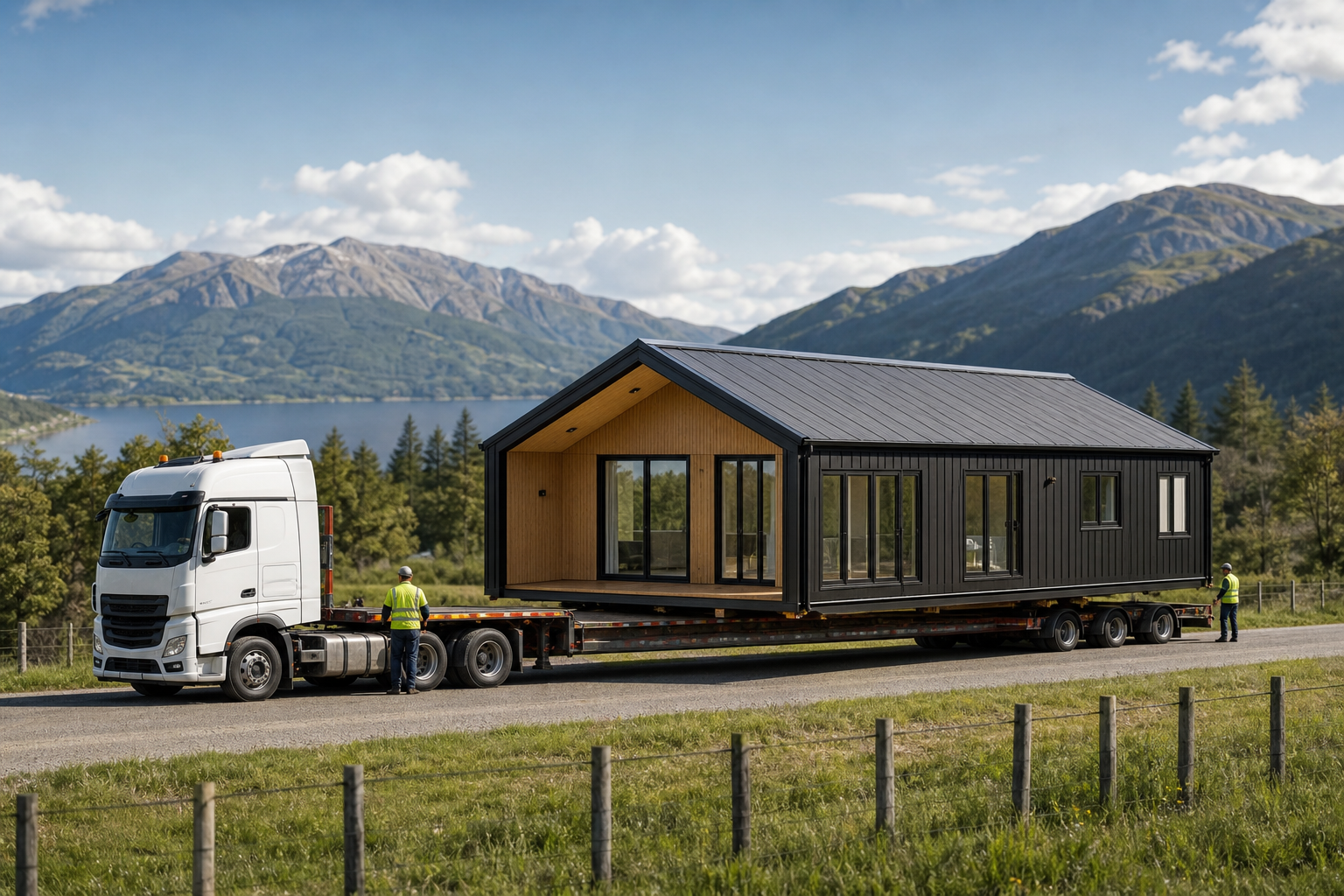
Turnkey home delivery means a new home is handed over ready to occupy: the essential finishes, fixtures and external works are completed so you can move in with minimal additional work. The phrase is commonly used in Australian new-build and house-and-land markets, but the precise scope depends on the contract and builder specification. Effective comparison requires a short checklist and a careful review of what is written into the proposal.
What turnkey home delivery means in Australia
In practice, a turnkey home should let you "turn the key and walk in" at practical completion, with core items finished and services connected, but builders and developers use the term differently. Industry guides describe a turnkey home as move-in ready at handover, while NSW planning guidance confirms some builders offer a turnkey option that can include landscaping, fencing and driveways, and that final prices vary depending on scope (source: Allam, Planning Portal NSW).
Must-check inclusions in a turnkey specification
Do not assume every turnkey quote covers the same items. Confirm the builder's written inclusions before you compare prices. Industry breakdowns and official developer standards commonly list the following items as core turnkey inclusions:
- Site works and slab or foundation to the builder's specification, including standard piering for reactive soils where stated.
- External works necessary for occupancy: driveway, perimeter paving, fencing and basic front landscaping where specified.
- Service connections: sewer, stormwater, electricity and water connections to the property boundary where included by contract or council requirement.
- Internal finishes: floor coverings, interior and exterior painting, and completed kitchens and bathrooms to the agreed specification.
- Builder insurances and compliance documents required to occupy: builder's risk insurance during construction and certificates of compliance on practical completion.
These inclusions are described in industry guides and developer fact sheets as typical components of a genuine turnkey offering (source: Buildana, HomeSeeker SA).
Common exclusions and hidden costs to watch

Turnkey does not mean unlimited. Builders frequently exclude or limit certain items, or include them only as allowances. Watch for these common exclusions and provisional items:
- High-end appliances, window treatments, light fittings beyond the allowance, and security systems.
- Full landscaping beyond a basic front yard finish, pools, outdoor living upgrades and fencing above a standard height or style.
- Rock excavation, deep piering or extensive retaining walls when the site exceeds the builder's provisional limits for rock or soil conditions.
- Provisional sums and allowances that leave scope for later variation pricing rather than a final fixed amount.
- Council-imposed works beyond the builder's quoted scope, such as additional stormwater detention, footpath relocations or infrastructure contributions.
Investors and owner-occupiers both report surprises when provisional sums and site-specific works inflate the delivered cost. An investor checklist from market advisers highlights hidden costs as a key factor that changes investment returns and risk (source: Aurelian Property).
Contract, handover and warranty checks before you sign
Every turnkey decision hinges on contract detail. Before committing, verify these items in writing and keep copies with your estimate and selection documents:
- Fixed price versus provisional sums: confirm which items are fixed and which are provisional, and the upper limits, if any.
- Finished inclusion schedule: an itemised list that names finishes, brands, fixtures and allowances so there is no ambiguity about what "standard" means.
- Variation process and pricing: how variations are priced, who authorises them, and whether you have a capped change order allowance.
- Practical completion and occupancy certificates: the contract must define practical completion, and include the requirement for a certificate of occupancy or compliance before handover.
- Defect liability and statutory warranties: the period for contractor rectification, how defects are reported, and statutory home warranty insurance where required.
- Who pays for unforeseen site works: explicitly state who bears the cost of rock removal, unexpected piering, and council-mandated changes.
Insist that your turnkey specification and the inclusion schedule are appended to the contract. For a practical walkthrough of pre-construction coordination and how these elements are managed, refer to our pre construction coordinator guide.
Site, approvals and local risks for Western and Northwest Sydney projects
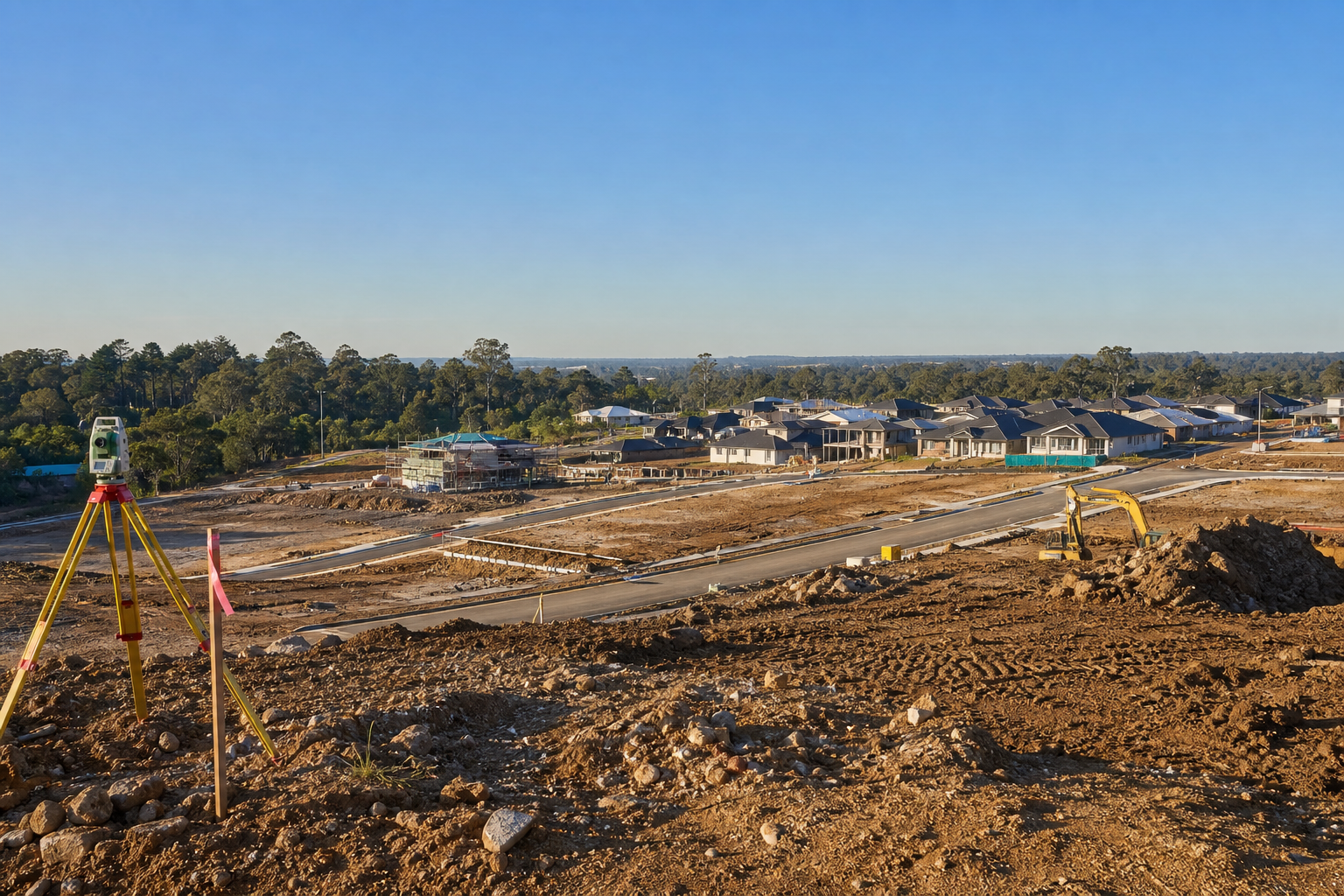
Local site conditions and council approvals in Western and Northwest Sydney can materially change turnkey scope and cost. Typical regional issues include reactive soils requiring additional piering, the need for retaining walls on sloping blocks, and rock removal in some outer suburbs. NSW planning guidance notes turnkey options can include items homeowners usually organise themselves, but also that base and final prices can vary by site and scope (source: Planning Portal NSW).
Why this matters locally: a standard turnkey quotation that assumes a benign site will become incomplete if geotechnical reports or council conditions require extra works. That is why local approvals coordination and site-aware planning are core services to consider when you evaluate turnkey offers. Builders with regional experience can identify likely contingencies early and outline provisional sums clearly in the estimate.
Investor checklist: total delivered cost, rental assumptions and exit metrics
Investors must look beyond headline price. Use this quick investor checklist to test a turnkey opportunity:
- Calculate total delivered cost: include land, stamp duty, council fees, provisional sums, connection fees and expected variations.
- Check comparable rents and tenant demand: local rental comparables determine whether the finished property will meet income targets after the delivered cost is included.
- Estimate vacancy and holding costs: who pays for delays or additional site works while the property is completed?
- Assess resale appeal: ensure included finishes and layouts match likely buyer or renter preferences in the suburb and price band.
Advisers recommend testing strategy fit, finance, build risk and exit appeal before you commit to a turnkey house-and-land package or off-the-plan investment (source: Aurelian Property).
How to compare turnkey quotes and decide if turnkey suits you
Use three objective criteria to compare offers and make the decision:
- Total delivered cost, not headline price: add every likely council, site and provisional sum to the quote.
- Inclusion completeness: prefer quotes with clear, itemised inclusion schedules and brand names rather than vague allowances.
- Contract clarity on variations and handover: choose the contract that defines practical completion, certificates, and responsibilities for site surprises.
When turnkey is a good choice: you want a single point of responsibility, a faster path to occupancy, or limited time to manage multiple contractors. When to avoid turnkey: you want full control of high-end selections, bespoke finishes not offered in the builder's inclusion list, or you want to control each trade and supplier to manage cost tightly.
Next steps and how King Style Homes can help
Practical next actions:
- Download or print this checklist and use it when you request quotes.
- Ask every builder for a written turnkey inclusion schedule, provisional sum list and the contract appendix showing the finished specification.
- Order a site review and geotechnical report early so provisional sums are realistic and any council requirements are flagged before signing.
- For investors, run a total delivered cost model including holding costs and probable variation allowances.
King Style Homes works across Western and Northwest Sydney, offering approvals coordination, site-aware planning, detailed estimates and end-to-end project management to clarify turnkey scope early in the process. If you would like a site review or a detailed turnkey estimate, see our homepage for service details and contact options (source: King Style Homes).
Frequently asked questions
What exactly is included in a turnkey home delivery?
A genuine turnkey delivery includes the site works and slab, necessary external works to permit occupation (driveway, basic fencing, front landscaping where specified), internal floor coverings, paint, completed kitchen and bathrooms to the agreed specification, and service connections where the contract states these are included (source: Buildana, HomeSeeker SA).
What is usually excluded from a turnkey package and who pays for it?
Common exclusions are high-end appliances, full landscaping, pools, bespoke finishes, and extensive rock or deep piering beyond provisional limits. Who pays depends on the contract; always confirm which items are provisional sums and who bears the cost of unexpected site works (source: Aurelian Property).
Are turnkey homes normally fixed-price contracts?
Some turnkey offers are fixed price for the items explicitly listed, but many include provisional sums or allowances for site-specific works. Verify which parts of the build are fixed and which are subject to later variation pricing in the contract (source: Planning Portal NSW).
How do I compare two turnkey quotes from different builders?
Compare total delivered cost, not the headline price; check the inclusion schedule line by line; and ensure each contract defines practical completion, variation pricing and defect liability. Use the inclusion completeness, total cost and contract clarity criteria to rank offers.
When is turnkey home delivery the better choice for an investor versus an owner-occupier?
Turnkey suits investors who need a predictable, move-in ready asset with one point of accountability, provided the total delivered cost supports the investment return. Owner-occupiers may prefer turnkey when they value time savings and simplicity, but those seeking extensive custom finishes may prefer a standard build with separate selections and contractor control (source: Aurelian Property).
Ready to compare turnkey offers?
For a site review, detailed estimate or to read our pre-construction coordination process, visit our pre construction coordinator guide or contact us via the King Style Homes website.