

13 August 2026
What does effective construction update communication look like for my build?
Clear construction updates reduce delays and surprises. Discover practical practices, templates, NSW notification points, and exact questions homeowners ask.
What does effective construction update communication look like for my build?
When you commission a custom home, knockdown and rebuild, renovation or granny flat, good communication is as important as a good contract. Construction update communication tells you what happened, what it means for time and cost, and what decisions you must make next. This article explains the practices you should expect from a builder, offers two ready-to-use templates you can request, highlights NSW-specific notification points, and gives exact questions to ask if updates dry up.
Why clear construction updates matter for homeowners
Poor information flow between site crews and the office is a frequent cause of schedule delays, rework and cost overruns. Industry reporting shows field and office misalignment leads to crews working from old plans or missing time-critical direction, which slows a project and increases risk (construction.live). When builders use structured updates you benefit from fewer surprises, clearer decisions about variations, and earlier notice of neighbour or approvals impacts.
7 construction update communication practices homeowners should expect
1. A cadence that matches project stage
Expect the update frequency to change as the job moves through phases. Weekly written updates are common during heavily active phases, daily or immediate alerts work for time-critical mobilisation, and milestone briefings should happen at phase transitions. Effective updates answer what changed since the last message and what will happen next, which keeps everyone aligned (PIYA).
2. The right mix of channels: portal, email, SMS and site meetings
Different updates need different channels. Use a project portal or owner app for stored documents, photos and a running log. Use concise emails for weekly summaries and SMS for urgent alerts such as weather delays or safety incidents. Reserve in-person or video site meetings for complex design decisions or selections that affect finishes. Targeted push messages are more efficient than broad blasts for time-critical information (Fieldwire).
3. Reports that answer what happened, the impact, and next steps
Every meaningful progress update should include three things: what happened since the last update, how it affects schedule or cost, and the next actions with responsible names and dates. This reduces ambiguity and gives you a clear approval path for any required decisions (PIYA).
4. Time-stamped photos, short video and a simple schedule look-ahead
Visual evidence keeps conversations factual. Time-stamped photos or a 30 to 60 second video of the area of work, paired with a two-week look-ahead, reduces misunderstandings and speeds owner approvals for finishes or minor variations. Visual updates are a practical form of record that helps if changes require cost or warranty review (construction.live), (Fieldwire).
5. Named contacts and a small meeting roster
You should have a named lead contact for day-to-day questions, a project manager for escalations and the site supervisor for operational matters. For site meetings keep attendees lean: homeowner or homeowner rep, project manager, site supervisor, and any trade or consultant whose input is required. Agenda-driven meetings improve clarity and reduce off-topic discussions (ConstructConnect).
6. A standard way to raise changes with estimated cost and time impact
Change orders are part of building, but they must be handled transparently. Expect every proposed change to come with a short description, a likely time impact, a cost estimate or provisional sum, and a clear homeowner approval pathway before the work begins. That approach reduces surprises and protects your contingency budget (PIYA).
7. A communication plan that is updated when conditions change
The communication plan itself is a living document. It should be reviewed and revised when a new trade mobilises, when major phase transitions occur, if project personnel change, or when the program is restructured. Best practice guidance recommends updating the plan whenever significant changes to the project occur to keep notifications relevant (Convoe).
Two ready-to-use templates you can request from your builder
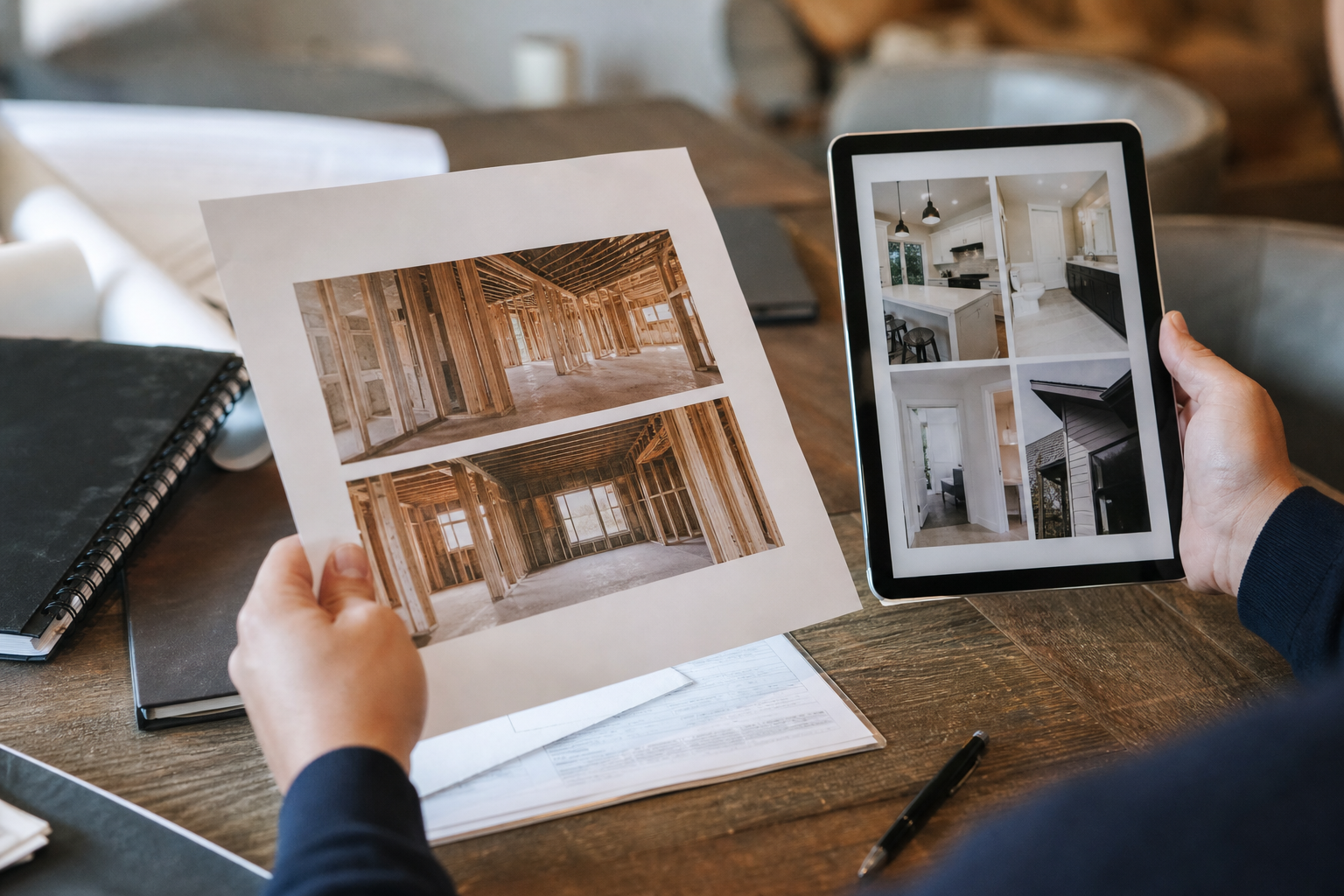
Weekly construction update email template
Use this concise format to set expectations or to ask your builder to adopt it for your project.
- Subject: Weekly update, Week [no.], [Project address]
- Summary: One-sentence status and schedule health (on track, minor delay, critical delay)
- What happened since last update: 3 short bullet points with responsible person initials and dates
- Current schedule status: Key activities completed, percent complete for major trades, any slippage in days
- Issues and impacts: Short description, likely time or cost impact if known
- Next two weeks look-ahead: Key tasks, required homeowner decisions or inspections, and expected trade arrivals
- Attachments: Time-stamped photos, short video link, updated schedule
- Named contacts: Project manager, site supervisor, owner liaison, and escalation contact with phone numbers
Milestone site meeting agenda
Use this agenda for slab pour sign-off, lock-up, pre-finish selections, handover preparation or any critical milestone.
- Welcome and role check
- Safety update and any neighbour or site constraints
- Review of work completed since previous milestone
- Schedule look-ahead and dependencies
- Design clarifications and selections to confirm
- Change items, cost impact and homeowner approvals required (ConstructConnect)
- Risks and mitigation actions
- Actions and owners with due dates
- Close and next meeting time
Where construction updates sit in King Style Homes' client pathway
King Style Homes lays out a clear step-by-step pathway from consultation to handover that explicitly includes construction updates between selections and handover. You can read about the overall process on the King Style Homes website (King Style Homes). If you want more detail about early coordination, the company also offers a pre construction coordinator guide that explains how approvals, site review and procurement tie into timely project communication.
NSW community and approvals communication you should expect
For projects in New South Wales, community notification is often required or recommended for local impacts. Official guidance notes that notifications may target residents within a specified distance of the site and that follow-up communication should be considered for night works or major milestones (NSW government). Expect your builder to coordinate approvals timing and public-facing notices where required, and to advise you when an approval step is likely to affect the schedule.
Red flags and exact questions to ask your builder
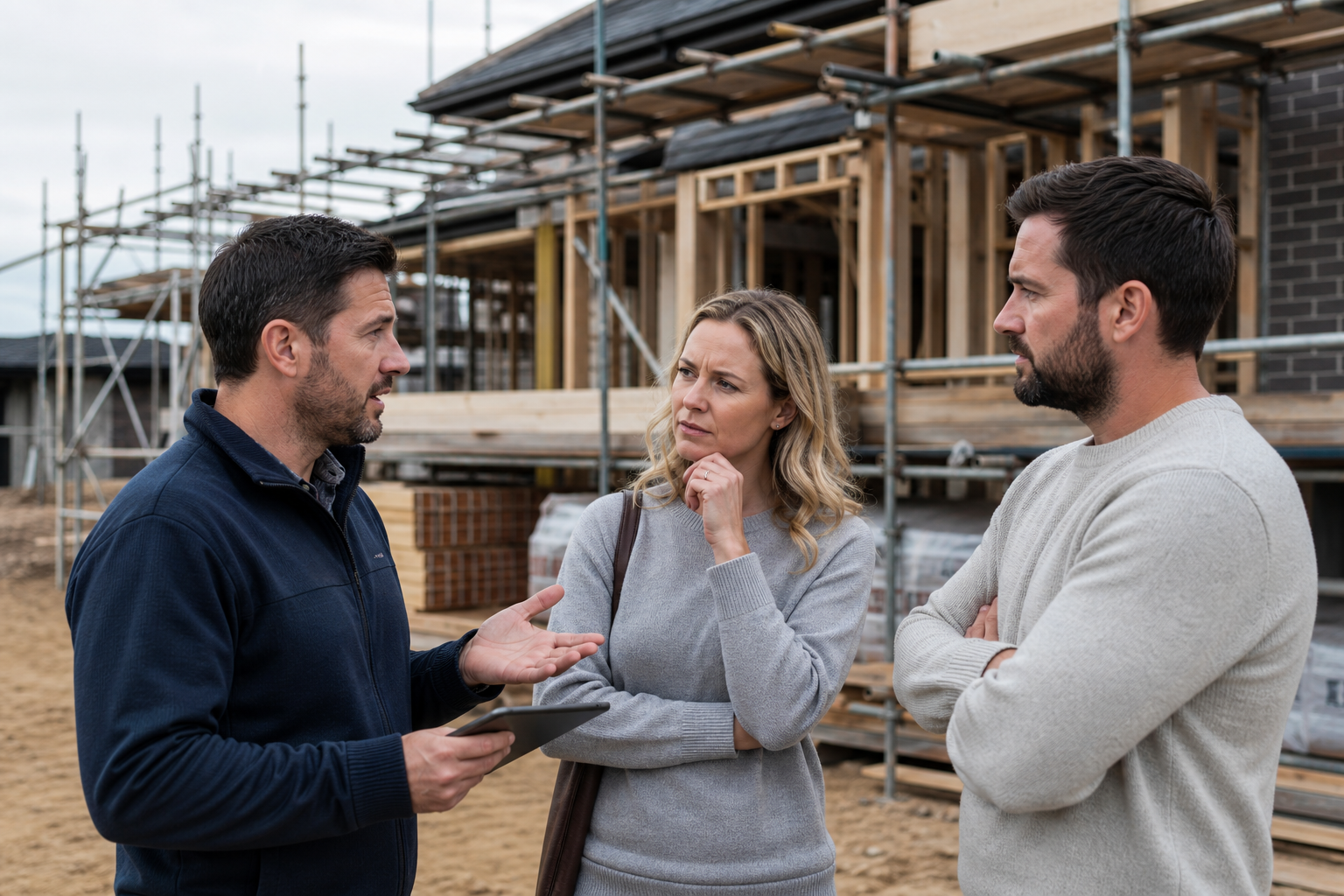
Watch for these warning signs and use the suggested questions to get clear answers.
- Red flag: No photos or no dated records. Ask: Can you send time-stamped photos and a short schedule look-ahead each week?
- Red flag: Vague schedule updates such as "works ongoing". Ask: What specific tasks will be completed this week and by whom?
- Red flag: Untracked verbal change orders. Ask: Please issue a written change notice with estimated time and cost before proceeding, who will approve it, and how it affects warranty
- Red flag: No named escalation contact. Ask: Who is the escalation contact for urgent issues and what is their phone number?
- Red flag: Communication plan never updated. Ask: Will you update the project communication plan if a new trade mobilises or the program changes?
How to choose an update cadence and channel for your project
Match cadence to scale, site complexity, neighbour proximity and your involvement level. Use this quick rule of thumb.
- Small internal renovation or secondary dwelling: Weekly email with photos and SMS alerts for delays
- Full custom build or knockdown and rebuild: Weekly portal updates plus milestone site meetings, daily SMS when trades are mobilising, and an escalation contact for approvals
- High community impact site or night works: Formal neighbour notifications and follow-up briefings as advised under NSW guidance (NSW government)
Quick checklist to expect in every construction update
- One-line status and schedule health
- Three things that happened since last update
- Two-week look-ahead with homeowner actions required
- Photographic evidence with timestamps
- Named contacts and an escalation phone number
- Any change notices with estimated time and cost impact
For homeowners who want a sample communication plan, or help aligning approvals and procurement with updates, review the King Style Homes pre construction coordinator guide and the company process on their website (King Style Homes).
Frequently asked questions
How often should I expect construction update communication during a custom build?
You should expect at least a weekly written update during active construction, daily or immediate alerts when trades are mobilising, and milestone site meetings at phase changes. The exact cadence should be set in the project communication plan and adjusted if the programme changes (Convoe).
What should a weekly construction update include?
A weekly update should include a one-line status, three items completed, current schedule status, issues and impacts, a two-week look-ahead, time-stamped photos or short video, attachments such as the updated program, and named contacts for questions (PIYA).
What can I do if my builder stops sending progress updates?
Raise a formal request by email, copy the named project manager and the escalation contact, and ask for the next update within a defined time. If the communication plan is missing, ask the builder to provide a written plan and commit to a weekly cadence. If the behaviour continues, refer to your contract for communications obligations and consider seeking independent advice.
Who should attend milestone site meetings and why?
Keep the roster small: homeowner or homeowner representative, project manager, site supervisor, and any consultant or trade whose decision affects the milestone. Agenda-driven meetings help resolve design clarifications, confirm selections, and agree on change orders with transparency (ConstructConnect).
Are builders required to notify neighbours for NSW construction projects?
Notification requirements depend on the project, local council conditions and the nature of works. Official NSW guidance suggests targeted notifications within specified distances and follow-up for night works or major milestones. Your builder should advise you on the approvals and community notification obligations that apply to your site (NSW government).
If you would like a sample communication plan tailored to your project or a copy of the weekly update template, request a sample from King Style Homes at their website: King Style Homes.